Antique Carpets
Click on the pictures below to see them in a bigger dimension
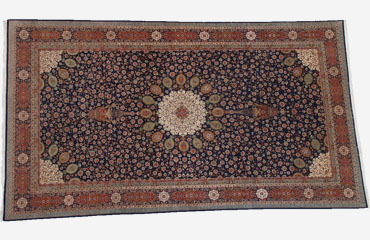 Shaykhsafi Design (Ardabil), Persian
 Hariz, Persian
 Mostofi, Persian
 Gharajeh, Persian
  Gharajeh, Persian
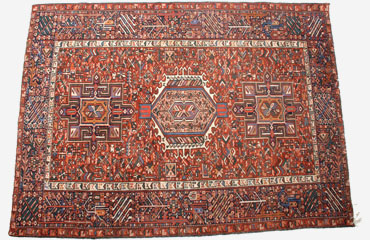 Gharajeh, Persian
 Hariz, Persian
 Ghazvin, Persian
 Kilim, Persian
 Karabagh, Caucasion
 Gharajah, Persian
 Malayer, Persian
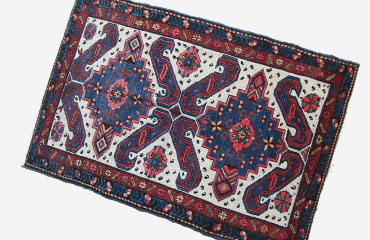 Karabagh, Caucasion
 Ottoman, Anatolia
 Shaboustar, Persian
  Hariz, Persian
 Hariz, Persian
 Persian


Antique Otoman
Anatoly

Anatolian rugs represent an essential part of the regional culture, which is officially understood as the Culture of Turkey today, and derives from the ethnic, religious and cultural pluralism of one of the most ancient centres of human civilisation.
Rug weaving represents a traditional craft dating back to prehistoric times. Rugs were woven much earlier than even the oldest surviving rugs like the Pazyryk rug would suggest. During its long history, the art and craft of the woven carpet has absorbed and integrated different cultural traditions.
In Europe, Anatolian rugs were frequently depicted in Renaissance paintings, often in a context of dignity, prestige and luxury. Political contacts and trade intensified between Western Europe and the Islamic world after the 13th century AD. When direct trade was established with the Ottoman Empire during the 14th century, all kinds of carpets were at first indiscriminately given the trade name of "Turkish" carpets, regardless of their actual place of manufacture.
Antique Persian
Persian Rug/Carpet
Persian carpets and rugs of various types were woven in parallel by nomadic tribes, in village and town workshops, and by royal court manufactories alike. As such, they represent miscellaneous, simultaneous lines of tradition, and reflect the history of Persia and its various peoples.
The carpets woven in the Safavid court manufactories during the sixteenth century are famous for their elaborate colours and artistical design, and are treasured in museums and private collections all over the world today.
Carpets woven in towns and regional centers like Tabriz, Isfahan, and Qom are characterized by their specific weaving techniques and use of high-quality materials, colours and patterns. Town manufactories like those of Tabriz have played an important historical role in reviving the tradition of carpet weaving after periods of decline.